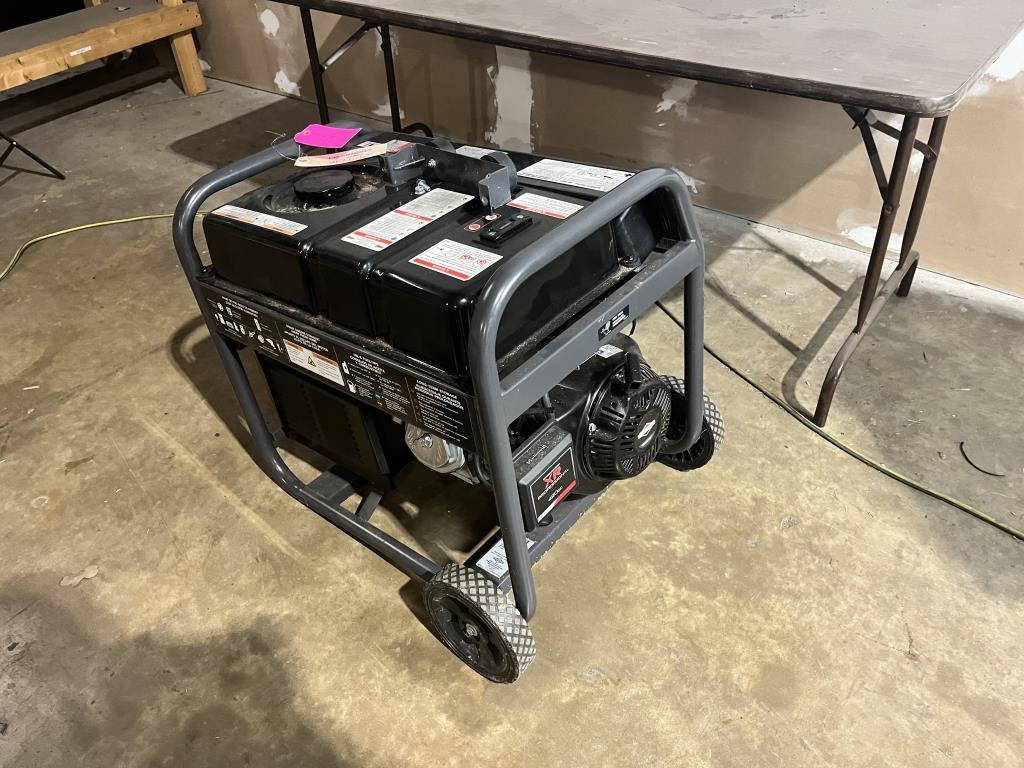
Picture this: The power goes out. Your home plunges into darkness, the refrigerator groans, and the silence is deafening. But then, a familiar hum kicks in, lights flicker back on, and life continues, uninterrupted. That's the peace of mind a reliable Briggs & Stratton generator delivers. These machines are renowned for their durability, advanced noise reduction, and automatic voltage regulation, often becoming the unsung heroes during an outage. Yet, even the most robust generator isn't a "set it and forget it" appliance. The secret to ensuring your Briggs & Stratton generator is always ready to perform, extending its life, and protecting your investment? Diligent Briggs & Stratton Generator Maintenance & Care.
Neglecting routine upkeep is like inviting trouble to your doorstep. It’s the difference between a generator that roars to life when you need it most and one that sputters, struggles, or worse, fails completely. Think of this guide as your essential toolkit, packed with insights from a seasoned expert, designed to keep your generator humming smoothly for years to come.
At a Glance: Your Generator Maintenance Checklist
Keeping your Briggs & Stratton generator in top shape doesn't have to be a mystery. Here’s a quick overview of the key tasks you’ll tackle:
- After Each Use: Clean exterior, check oil, manage fuel (drain or stabilize).
- Bi-Weekly/Weekly: Briefly start and run portable generators (if fueled) or let standby models perform their auto-test.
- Monthly: Verify oil levels.
- Every 3 Months / 50 Hours: Change oil and oil filter.
- Every 6 Months / 100 Hours: Inspect and clean/replace spark plugs and air filter.
- Annually / 100-200 Hours: Comprehensive service: replace spark plugs, air filter, and change oil/oil filter.
- Ongoing: Guard against rodent damage.
- Always: Consult your specific owner's manual.
- Periodically: Consider professional servicing, especially for standby units.
Why Your Briggs & Stratton Deserves Consistent Care
Investing in a generator, especially one known for its reliability, is a smart move for any homeowner. Whether you rely on a portable unit for job sites and occasional outages or a robust standby system for complete home backup, its value lies in its readiness. When the grid goes down, your generator shouldn't be an afterthought; it should be a reliable ally.
Regular maintenance isn't just about fixing things when they break; it's about prevention. It ensures optimal performance, extends the life of critical components, and maintains fuel efficiency. Skipping these crucial steps can lead to costly repairs, diminished output, and, most critically, a failure to start when you’re facing a genuine emergency. By following a consistent maintenance schedule, you’re not just maintaining a machine; you’re safeguarding your comfort, safety, and peace of mind.
Setting Up Your Generator Maintenance Station
Before you dive into the nitty-gritty, gather your tools. Having everything at hand makes the process smoother and safer.
Here’s a basic list:
- Owner's Manual: Your most valuable resource. Keep it accessible.
- Clean Rags & Brushes: For cleaning exterior and clearing debris.
- Vacuum: Handy for clearing air inlets/outlets.
- Funnel: Essential for mess-free oil and fuel handling.
- Oil Pan: To collect used oil.
- Wrench Set & Spark Plug Wrench: For accessing and replacing components.
- Manufacturer-Recommended Oil: The right type is crucial. Check your manual for specific viscosity (e.g., SAE 30, 5W-30).
- New Oil Filter: If your model uses one.
- New Spark Plug(s): Keep spares on hand.
- New Air Filter: For annual replacement or as needed.
- Fuel Stabilizer: If you plan to store fuel in the tank for short periods.
- Generator Cover: Especially if storing outdoors or in a dusty environment.
- Safety Glasses & Gloves: Always prioritize safety.
The Regular Rhythms of Generator Care: Your Maintenance Schedule
Consistency is king when it comes to generator longevity. Here’s a detailed breakdown of tasks, aligned with typical usage patterns for both portable and standby Briggs & Stratton units.
After Each Use (or Post-Outage Cleanup)
Every time your generator runs, especially after a power outage or a demanding work session, a few quick steps will lay the groundwork for its next perfect start.
- Give It a Good Wipe Down:
- What to do: Once the generator is cool, take a damp rag and wipe down the exterior. This removes dirt, dust, and grime that can accumulate.
- Why it matters: Prevents rust and corrosion, keeping your unit looking good and functioning properly.
- Pro Tip: Use a soft brush or vacuum to clear any debris from the air inlets and outlets. Blocked vents can lead to overheating and reduced efficiency. If your generator isn’t stored in a garage or covered area, consider investing in a generator cover to shield it from the elements.
- Check the Oil Level:
- What to do: Locate the oil dipstick, remove it, wipe it clean, reinsert it (without screwing it in on some models), and then check the level.
- Why it matters: Proper oil levels are critical for engine lubrication and preventing premature wear. Running an engine with low oil is one of the quickest ways to cause severe damage.
- Heads Up: Always consult your owner's manual for the manufacturer-recommended oil type and specific checking procedure. Most Briggs & Stratton generators are four-stroke engines, meaning oil and fuel are kept separate. If you notice it’s low, top it up with the recommended oil.
- Manage Your Fuel (Especially for Portable Generators):
- What to do: This is perhaps the most critical post-use step for portable units. If you plan to store the generator for more than a few weeks or months, unused gasoline or diesel left in the tank can become a problem. Fuel can degrade, thicken, and form sticky deposits ("varnishing") that clog valves, fuel lines, and the carburetor.
- Option 1 (Drain & Flush): Drain the fuel tank completely. Then, start and run the generator until it runs out of fuel. This flushes any leftover fuel from the carburetor, preventing gumming. This is the gold standard for long-term storage (over 30 days).
- Option 2 (Fuel Stabilizer): For shorter storage periods (up to a few months), some owner's manuals may suggest adding a fuel stabilizer to the tank. Follow the product’s instructions, then run the generator for 5-10 minutes to circulate the stabilized fuel through the carburetor before storing.
- Why it matters: Stale fuel is a common culprit for generators that won't start after sitting idle. Proper fuel management ensures your generator is ready to go when you need it next.
Bi-Weekly / Weekly (Keeping Things Moving)
Even when not in use, your generator benefits from periodic exercise.
- Portable Generator Warm-Up:
- What to do: If your portable generator contains fuel, manually start it up every two weeks and let it run for 5 to 10 minutes.
- Why it matters: This simple action circulates oil, lubricates engine components, and ensures the carburetor doesn't get clogged with stale fuel (especially if you're using a fuel stabilizer). It’s also a good way to confirm the unit starts reliably.
- Safety Note: Always operate generators outdoors in a well-ventilated area, far from windows and doors, to avoid carbon monoxide buildup.
- Standby Generator Automatic Exercise:
- What to do: Most modern Briggs & Stratton standby generators are designed to be truly "set it and forget it" for readiness. They typically have an automatic exercise mode, where they self-start weekly (e.g., every Tuesday at 2 p.m.) and run for a few minutes.
- Why it matters: This built-in function is brilliant. It ensures the engine is lubricated, the battery is charged, and all systems are in working order. You don’t have to remember to do it; the generator handles it for you. You can check your control panel or manual to confirm its schedule.
- These Briggs and Stratton emergency generators are designed with such automated features precisely for this continuous readiness.
Monthly Check-In
A quick glance at your oil level once a month can save you a headache later.
- Oil Level Check (Again):
- What to do: Just like after each use, check the oil level.
- Why it matters: Even without running, very slight evaporation or minor internal seepage can occur, and it's always better to catch a low level early.
Every 3 Months / After 50 Hours of Use (The Oil Refresh)
This is where you refresh the lifeblood of your engine.
- Change the Oil and Replace the Oil Filter:
- What to do: Drain the old, dirty oil from the crankcase (ensure the engine is warm but not hot for easier drainage). Replace the oil filter with a new, manufacturer-recommended filter. Then, refill with the correct type and amount of fresh oil, as specified in your owner’s manual.
- Why it matters: Oil lubricates moving parts, cools the engine, and cleans by carrying away contaminants. Over time, oil breaks down and becomes less effective. Fresh oil is paramount for engine health and longevity.
- Tip: Always dispose of used oil responsibly at a local recycling center or auto parts store.
Every 6 Months / After 100 Hours of Use (Spark and Air)
Half-yearly maintenance focuses on ignition and respiration.
- Inspect Spark Plugs:
- What to do: Remove the spark plug(s) using a spark plug wrench. Inspect them for signs of wear, carbon buildup, or excessive fouling. The porcelain insulator should be clean, and the electrode gap should be within specifications.
- Why it matters: A clean, properly gapped spark plug is vital for efficient combustion and easy starting. A fouled or worn plug can lead to misfires, reduced power, and increased fuel consumption.
- Decision Time: If they look discolored, heavily carbonized, or the electrode is significantly worn, replace them. Otherwise, you can carefully clean them with a wire brush and re-gap them if needed (consult your manual for the correct gap).
- Check and Clean the Air Filter:
- What to do: Locate the air filter housing, open it, and remove the air filter. Inspect it for dirt, dust, and debris.
- Why it matters: The air filter protects the engine by preventing airborne particles from entering the combustion chamber. A clogged filter restricts airflow, leading to reduced performance, increased fuel consumption, and potential engine damage.
- Decision Time: Depending on its condition, you might be able to clean it (tap out loose dirt, or for foam filters, wash with mild soap and water, dry thoroughly, and lightly oil if recommended). However, if it’s heavily soiled, torn, or shows signs of wear, replace it with a new one.
Annually / After 100-200 Hours of Use (The Full Service)
This is your comprehensive annual check-up, ensuring everything is in peak condition.
- Replace Spark Plugs (or Glow Plugs for Diesel Generators):
- What to do: Even if they looked okay at the 6-month mark, it's generally best practice to replace spark plugs (or glow plugs for diesel models) once a year or after 100 hours of use, whichever comes first.
- Why it matters: This ensures a strong, consistent spark for optimal combustion efficiency and reliable starting.
- Replace the Air Filter:
- What to do: Install a brand-new air filter.
- Why it matters: While you can sometimes clean a filter, replacing it annually guarantees maximum airflow and engine protection. Replace it sooner if the generator frequently operates in dusty or dirty environments.
- Change the Oil and Oil Filter (Comprehensive Annual):
- What to do: Drain and replace the oil and oil filter.
- Special Note for New Generators: Some portable Briggs & Stratton generators require an initial oil change after the first 30 hours of use, then every 100 hours thereafter. For standby models, it's typically every 100 hours or annually. Always defer to your specific manual.
- Why it matters: Fresh oil and a clean filter are non-negotiables for engine health.
- Smart Prep: Always use manufacturer-recommended oil and filters. It's smart to keep spare oil, oil filters, spark plugs, and air filters on hand, so you're never caught unprepared.
Deep Dive: Essential How-Tos for Generator Maintenance
Let's get a little more granular with some of these critical tasks.
The Art of the Oil Change
Changing your generator's oil is straightforward but requires attention to detail.
- Warm It Up (Briefly): Run the generator for 5-10 minutes. Warm oil drains more easily, carrying contaminants with it. Then, shut it off completely.
- Locate the Drain Plug: This is usually on the bottom side of the engine. Place an oil pan underneath.
- Drain the Old Oil: Carefully remove the drain plug (and dipstick on some models to aid flow). Allow all the oil to drain completely.
- Remove the Oil Filter (If Applicable): Use an oil filter wrench to remove the old filter. Have a rag ready, as some oil will spill.
- Install New Filter: Apply a thin film of fresh oil to the rubber gasket of the new filter. Screw it on hand-tight, then typically a quarter to a half turn more with the wrench (check filter instructions).
- Replace Drain Plug: Once all old oil is out, reinstall the drain plug securely.
- Refill with Fresh Oil: Consult your owner's manual for the exact type (e.g., SAE 30, 5W-30) and capacity. Use a funnel to pour the new oil slowly.
- Check Level: Use the dipstick to ensure the oil is at the full mark. Do not overfill.
- Dispose Responsibly: Take your used oil and filter to an approved recycling center.
Master the Fuel Management Process for Storage
This often overlooked step is key to avoiding costly carburetor issues.
For Short-Term Storage (Under 30 Days):
- Use a Fuel Stabilizer: Add a high-quality fuel stabilizer to your gas tank according to the product's instructions.
- Run the Engine: Start the generator and let it run for 5-10 minutes. This circulates the stabilized fuel through the carburetor and fuel lines, protecting them from gum and varnish deposits.
- Store Safely: Turn off the generator and store it in a cool, dry place.
For Long-Term Storage (Over 30 Days): - Drain the Fuel Tank: Use a siphon pump or the fuel drain valve (if equipped) to remove all gasoline from the tank into an approved fuel container.
- Run It Dry: Start the generator and let it run until it completely runs out of fuel and stalls. This ensures there's no fuel left in the carburetor bowl or fuel lines to degrade.
- Disconnect Spark Plug: For an extra layer of safety during storage, remove the spark plug wire from the spark plug.
Spark Plug TLC
Your generator needs a healthy spark.
- Locate and Remove: Find the spark plug boot (a thick rubber wire) and pull it off the spark plug. Use a spark plug wrench to carefully unscrew the spark plug.
- Inspect: Look at the tip.
- Brownish-grey: Ideal, indicating good combustion.
- Black, Sooty: Too rich fuel mixture or clogged air filter.
- White, Ashy: Too lean fuel mixture or engine overheating.
- Oily: Excessive oil burning, possibly worn piston rings.
- Clean (Optional): If only slightly fouled, gently brush off carbon deposits with a wire brush.
- Check Gap: Use a spark plug gapping tool to ensure the electrode gap matches the specification in your manual. Adjust if necessary by carefully bending the ground electrode.
- Replace: If the plug is heavily fouled, damaged, or severely worn, replace it with a new one of the correct type. Thread the new plug in by hand to avoid cross-threading, then tighten with the wrench (don't overtighten!).
- Reconnect: Push the spark plug boot firmly back onto the spark plug.
Beyond the Basics: Essential Tips for Longevity
Maintaining your generator goes beyond the schedule. These considerations add layers of protection and efficiency.
Rodent Prevention: A Silent Destroyer
Rodents, particularly mice and rats, are notorious for causing generator damage. They seek shelter in warm, enclosed spaces, and your generator's wiring looks like a delicious snack.
- Regular Inspections: Periodically open the generator’s housing and look for signs of activity: droppings, sour odors from urine, nests (twigs, shredded paper), or, most critically, chewed wires.
- Deterrents: Consider placing bait stations or electronic repellents near the generator (but not inside where they could interfere with operation or be a fire hazard). Essential oils like peppermint can sometimes deter them, but physical barriers and professional help are often more effective.
- The Cost of Neglect: Chewed wires can lead to short circuits, fires, or complete generator failure, often requiring expensive professional repairs. If you suspect activity, consult a rodent control expert promptly.
Your Owner's Manual: The Unsung Hero
It cannot be stressed enough: always consult and follow the specific instructions in your generator's owner's manual. While this guide provides general best practices, each Briggs & Stratton model has unique specifications for oil type, filter part numbers, spark plug gaps, and maintenance intervals. The manual is your primary source of truth. If you’ve lost it, most manufacturers offer digital versions for download on their websites.
Consistency is Key
The most reliable maintenance schedule is one you stick to. Skipping a quarterly oil change or annual spark plug replacement might seem harmless, but these minor omissions compound over time. Consistent maintenance prevents small, manageable problems (like a dirty air filter) from escalating into major, costly issues (like engine damage from dust ingestion). Build a routine, perhaps marking it on a calendar or setting digital reminders, to ensure your generator gets the attention it deserves.
Choosing the Right Fluids: Don't Cut Corners
Using the correct oil, specified by Briggs & Stratton, is non-negotiable. Different oil viscosities are designed for different operating temperatures and engine types. Similarly, if you use a fuel stabilizer, choose a reputable brand that is specifically designed for small engines or generators. Using substandard fluids can degrade performance and shorten engine life. Always keep spares of recommended oil and filters on hand, so you're never scrambling last minute.
Proper Storage Practices
Whether it’s a portable unit tucked away in the garage or a standby unit enduring the elements, how you store it impacts its longevity.
- Portable Generators: Store in a clean, dry area, away from direct sunlight and extreme temperatures. Using a generator cover protects it from dust and accidental bumps. Ensure the fuel has been properly managed for storage (drained or stabilized).
- Standby Generators: While designed for outdoor installation, ensure the area around it is kept clear of debris, overgrown vegetation, and anything that could impede airflow or service access. A clear perimeter also helps with rodent detection.
When to Call in the Pros: Expert Assistance
While much of your generator’s maintenance can be handled by a diligent homeowner, there are times when professional expertise is invaluable.
Standby Generators: The Annual Check-Up is Non-Negotiable
Briggs & Stratton standby generators are complex pieces of machinery, intricately linked to your home's electrical system via an automatic transfer switch. They should be professionally serviced annually, every two years, or after 200 hours of use (whichever comes first).
- What a Pro Does: An experienced electrician or small engine specialist will perform a more comprehensive inspection, including:
- Testing electrical circuitry and output.
- Inspecting and testing the automatic transfer switch (ATS) to ensure it switches power seamlessly.
- Checking battery health and charging system.
- Calibrating fuel systems (especially for natural gas/propane units).
- Performing advanced diagnostics and troubleshooting that might be beyond the scope of homeowner maintenance.
- Advising on specific model best practices and potential upgrades.
Portable Generators: When DIY Reaches Its Limits
If you're uncomfortable performing certain maintenance tasks, or if your portable generator develops an issue you can't diagnose, don't hesitate to take it to a local small engine specialist. They can provide:
- Routine Maintenance: If you prefer to outsource the annual oil change, spark plug replacement, and filter cleaning.
- Troubleshooting & Repairs: For issues like hard starting, unusual noises, reduced power output, or complete failure. They have the specialized tools and knowledge to diagnose complex problems quickly.
- Commercial Installation/Setup: For commercial-grade portable generators or specialized setups, professional assistance ensures everything is installed correctly and safely.
An expert can diagnose issues you might miss, ensure all components are within factory specifications, and extend the life of your valuable equipment. They’re an investment in reliability, just like the generator itself.
Addressing Common Questions About Generator Care
Let's tackle a few frequently asked questions to clear up any lingering doubts.
Q: Can I use car oil in my generator?
A: While some generator oils might share similar properties with car oils, it's always best to use the specific oil type and viscosity recommended in your Briggs & Stratton owner's manual. Car engines and small engines often have different operating characteristics and thermal demands. Using the wrong oil can void warranties and cause premature engine wear.
Q: How often should I run my portable generator if I'm not using it?
A: If it contains fuel, run your portable generator for 5-10 minutes every two weeks. This circulates oil, lubricates components, and helps prevent fuel-related issues in the carburetor. Always ensure it's done safely outdoors.
Q: My generator won't start after sitting for a while. What's the most likely culprit?
A: The most common reason is stale fuel, especially if it wasn't drained or stabilized properly before storage. Over time, gasoline can degrade and gum up the carburetor. Other possibilities include a dead battery (for electric start models), a fouled spark plug, or a clogged air filter.
Q: Is a generator cover really necessary?
A: For portable generators, yes, especially if stored in a garage where dust can accumulate or outdoors. A cover protects against dust, moisture, and accidental bumps, helping to prevent rust and keep air intakes clear. For standby generators, while built for outdoor exposure, a clear area around them is still important for airflow and service.
Q: When should I dispose of gasoline?
A: Gasoline typically has a shelf life of about 3-6 months, or even less if exposed to air and temperature fluctuations. If it's over 6 months old, smells sour, or has separated, it's best to dispose of it properly and refill with fresh fuel. Using old, degraded fuel can damage your engine.
Your Generator, Ready for Anything
A Briggs & Stratton generator is more than just a machine; it’s an investment in your home’s security and comfort. It's a promise that when the unexpected happens, you’ll be prepared. The key to upholding that promise lies in consistent, diligent maintenance and care.
By following the schedule outlined here, understanding the "why" behind each task, and knowing when to call in professional expertise, you’re not just performing routine chores. You're actively extending your generator's lifespan, ensuring its peak performance, and guaranteeing it’s ready to hum to life the moment you need it most. So, roll up your sleeves, consult that owner’s manual, and give your Briggs & Stratton the care it deserves. Your future self, basking in the glow of an uninterrupted power supply, will thank you.