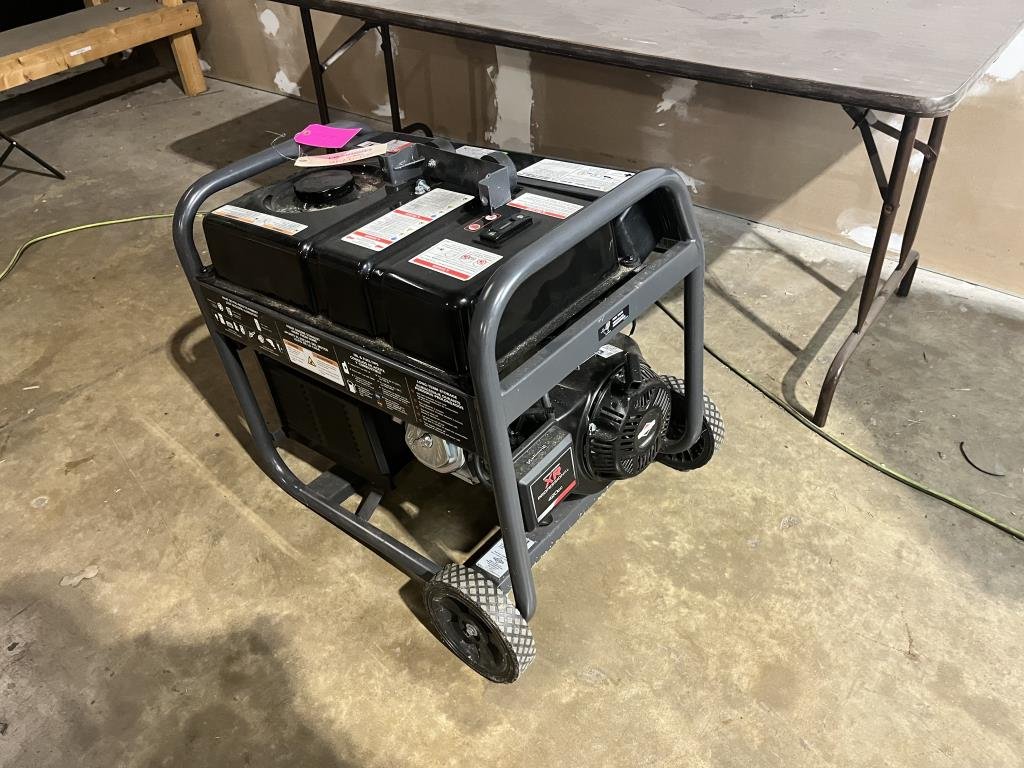
When the lights go out, a reliable standby generator isn't just a luxury—it's peace of mind. For many homeowners, a Briggs & Stratton system is the go-to choice, offering robust backup power when you need it most. However, navigating the intricacies of Briggs & Stratton Generator Installation & Setup can feel daunting. This comprehensive guide cuts through the jargon, empowering you with the knowledge to understand your system's setup, communicate effectively with professionals, and ensure your generator is ready for anything.
At a Glance: Your Standby Generator Setup Snapshot
- Professional Install is Key: Always use a qualified, licensed technician for installation due to electrical, gas, and safety complexities.
- Location Matters Most: Strict clearances are required from your home and any openings to prevent carbon monoxide poisoning and fire hazards.
- Fuel System Safety: Gas lines (natural gas or propane) must be installed correctly, with accessible shut-off valves.
- Electrical Integration: Your generator connects to your home via an Automatic Transfer Switch (ATS), which safely manages power flow.
- Initial Setup is Critical: After installation, proper fuel conversion (if needed), oil fill, and control panel configuration ensure smooth operation.
- Routine Exercise: Briggs & Stratton generators perform weekly self-diagnostics to confirm readiness, often with longer "burn-off" cycles.
- Annual Maintenance: A professional check-up ensures optimal performance and longevity.
The Non-Negotiables: Safety First, Always
Before a single wrench turns, let's be absolutely clear: installing a standby generator involves significant risks. This isn't a DIY weekend project for most homeowners. We're talking about high voltage electricity, highly flammable gases (natural gas or propane), and potentially lethal carbon monoxide (CO) fumes. Your safety, and the safety of your family and home, hinges on understanding these dangers.
Understanding the Invisible Dangers: Carbon Monoxide and Flammable Gases
Generators, by their nature, burn fuel to produce power, which means they produce exhaust. This exhaust contains carbon monoxide (CO), an odorless, colorless, and deadly gas. Installing your generator inside your home or garage, or even too close to windows or vents, is an absolute recipe for disaster. This is why strict placement rules exist.
Similarly, your generator's fuel source—either propane or natural gas—is extremely flammable and explosive. Improper connections, leaks, or damage to fuel lines can lead to catastrophic fires or explosions. These are not areas where you can afford to cut corners or guess.
The Shocking Truth: Electrical Hazards
Your standby generator will connect directly to your home's electrical system via an Automatic Transfer Switch (ATS). This system handles hazardous voltage (240 VAC or more) and, if not installed correctly, poses an electrocution risk. Proper grounding and isolation from the utility power grid are paramount. A licensed electrician is not just recommended; it's legally required for a reason.
Moving Parts and Hot Surfaces
While less complex than the other risks, remember that a running generator has moving engine parts and produces significant heat. Exhaust gases are incredibly hot and can ignite nearby combustibles. Always maintain a safe distance from a running unit and allow it to cool before attempting any access or inspection.
Before the Dig: Pre-Installation Planning & Preparation
Think of this phase as laying the groundwork for success. Proper planning ensures a smooth installation, compliance with local codes, and optimal performance for your Briggs & Stratton emergency generator.
Professional Expertise: Why You Need It
We cannot overstate this: always rely on a qualified, licensed technician for your Briggs & Stratton generator installation. This isn't just about compliance; it's about expertise in gas plumbing, electrical wiring, and understanding complex generator systems. They ensure the installation meets UL 2200 and CSA C22.2 No. 100-4 standards, along with all local codes. Attempting to DIY without proper licensing and experience is incredibly dangerous and could void your warranty or insurance.
Choosing the Right Spot: Placement Principles
Generator placement isn't arbitrary; it's a critical decision with significant safety and operational implications.
Carbon Monoxide (CO) & Exhaust Management
The golden rule: exhaust must always be directed away from or parallel to your building. This means avoiding direct exhaust into any occupied building, windows, doors, ventilation intakes, soffit vents, crawl spaces, or open garage doors. Even overhead garage doors are a no-go. The goal is to prevent any CO accumulation that could seep into your home.
Fire Safety Clearances (NFPA 37)
To mitigate fire risk, your generator needs breathing room. Adhere strictly to NFPA 37 criteria, which mandates minimum installation distances:
- 5 feet (1.5 meters) from structures without a fire rating.
- 5 feet (1.5 meters) from standby generator exhaust.
These distances ensure that hot exhaust gases and the generator's heat do not pose a combustion risk to your home or other nearby structures.
Foundation Requirements: The Mighty Slab
Your Briggs & Stratton generator isn't a lightweight appliance; it needs a solid, stable base. It's designed for installation on a reinforced concrete slab or an engineered base. This slab must:
- Be flat to prevent undue stress on the generator's frame and components.
- Include provisions for water drainage to prevent pooling around the unit.
- Have a 28-day compression strength of at least 3000 psi (200 MPa) to support the generator's weight and vibrations.
Your installer will determine the exact dimensions and specifications, but understanding the need for a robust foundation is crucial.
Accessibility & Utility Lines
Consider access for future maintenance, fuel delivery (if propane tank-fed), and proximity to utility lines. Your generator will need a 1-inch N.P.T. fuel inlet and a 2-inch electrical power inlet. Placement should minimize the length and complexity of these runs while avoiding contact with existing power lines, which present another hazardous voltage risk.
Required Gear: Cold Weather Kits and Detectors
A few crucial items are non-negotiable for safe and effective operation:
- Carbon Monoxide (CO) Detector: Ensure you have multiple operational CO detectors strategically placed within your home, especially near sleeping areas. This is your primary defense against invisible CO intrusion.
- Smoke Detectors: While not directly related to generator exhaust, operational smoke detectors are essential for overall home safety and required by code.
- Cold Weather Kit: If you live in an area where temperatures routinely drop below 30°F (-1°C), a Cold Weather Kit is absolutely required. This kit helps ensure your generator starts reliably in freezing conditions.
Unpacking Your Powerhouse: Inspection & Access
Once your new Briggs & Stratton emergency generator arrives, your installer will carefully unpack it. This initial phase involves ensuring the unit is intact and gaining necessary access for connections.
Checking for Shipping Damage
Before moving forward, the installer will thoroughly inspect the generator for any signs of shipping damage. This protects your investment and prevents potential issues down the line. Any damage should be documented immediately.
Gaining Entry: How to Access the Generator's Interior
Your Briggs & Stratton generator is housed in a durable enclosure, designed to protect its internal components and reduce noise. Gaining access for installation and maintenance is straightforward, but requires specific steps:
- Opening the Roof: Insert the key into the front panel lock. Gently push down on the roof directly above the lock, then turn the key a quarter-turn clockwise. The roof panel will then lift.
- Opening the Internal Guard: With the roof open, you'll see an internal guard. Remove the two bolts securing this guard to access the engine and main components.
- Removing the Rear Panel: Insert the key into the rear panel lock and turn it a quarter-turn counterclockwise. This allows the rear panel to be removed for specific connection points or deeper maintenance access.
Fueling the Future: Gaseous Fuel System Setup
The heart of your generator's operation is its fuel system. Whether you're using natural gas from your utility line or a dedicated propane tank, meticulous installation is paramount for safety and efficiency.
LP Vapor vs. Natural Gas: Understanding Your Options
Briggs & Stratton standby generators are designed to run on either natural gas (NG) or liquefied propane (LP) vapor. Each has distinct characteristics:
- Natural Gas: Delivered via your utility line, offering a continuous supply without needing tank refills.
- LP Vapor (Propane): Stored in a dedicated tank on your property. Requires monitoring and refilling, but provides flexibility if natural gas isn't available or preferred.
Your engine is factory calibrated for one fuel type. Understanding which one you have and how to convert (if necessary) is vital.
The Fuel Line Connection
A crucial safety component is a fuel supply line valve, which must be installed within 6 feet (180 cm) of the generator. This allows for quick shut-off in an emergency or during maintenance. Your installer may also recommend a manual fuel shut-off valve inside the unit for added control.
A specific flexible gaseous pipe is supplied with the generator for connecting to the main fuel line. Crucially, this flexible pipe must not be installed underground or in contact with the ground to prevent corrosion and damage.
Converting Your Generator's Fuel Type (If Needed)
Briggs & Stratton generators come factory calibrated for either natural gas or LP vapor. If your generator needs to run on the other fuel type, a simple conversion is required before initial start-up.
To convert:
- Locate the fuel selector collar.
- Push up on the collar.
- Twist it right or left to align with the groove for the appropriate fuel type (NG or LP).
- Slide it into position.
Your installer will handle this, ensuring it's correctly set for your chosen fuel source.
Fuel Consumption at a Glance
Understanding fuel consumption helps you plan for extended outages. While specific rates vary by generator size (e.g., a 25 kW unit consumes approximately 387,000 BTU/Hr), here are some general estimates:
- LP Vapor (Propane): Approximately 91,547 BTU per gallon.
- Natural Gas (NG): Approximately 1,000 BTU per cubic foot, meaning 2,500 cubic feet provides similar energy to roughly 27 gallons of propane.
Your installer can provide precise figures for your specific model, helping you determine tank size or natural gas line capacity.
Making the Connection: Electrical Wiring & Grounding
The electrical hookup is where your generator truly integrates with your home's power system. This is an intricate process that absolutely requires a licensed electrician to ensure safety and compliance.
The Automatic Transfer Switch (ATS) Explained
At the heart of any standby generator system is the Automatic Transfer Switch (ATS). This intelligent device detects a utility power outage and, within seconds, signals your generator to start. Once the generator is up to speed, the ATS automatically transfers your home's electrical load from the utility grid to the generator. When utility power returns, the ATS seamlessly switches back, and the generator shuts down. This entire process happens automatically, meaning you don't have to lift a finger.
Connecting Power: Line 1, Line 2, Neutral, Ground
Your Briggs & Stratton generator uses a single-phase, three-wire AC connection system. The essential connections are:
- NEUTRAL: The return path for current.
- GROUND: A safety connection to prevent electrical shock.
- LINE 1 & LINE 2: The two "hot" wires that carry the 240 VAC power.
The installer will meticulously connect these lines, ensuring correct phase rotation of utility power and adhering to strict wire type and torque specifications. This precision is critical for preventing electrical hazards and ensuring proper system function.
A dedicated Two Pin Terminal Block connects the 240 VAC control power from the ATS fuse block to the generator's control board. This small but vital connection enables communication between the ATS and the generator, allowing for automatic start/stop signals.
Grounding Done Right: Safety & Codes
Proper grounding is paramount for electrical safety. Your home generator must be installed as part of a system that includes a listed transfer switch with neutral-to-ground bonding at the transfer switch. This means the safety ground and neutral connections are correctly established within the ATS, preventing dangerous fault currents.
Typically, additional grounding to earth directly at the generator itself is not required unless specifically mandated by local electrical codes. Your licensed electrician will understand and comply with all relevant regulations.
The Brains of the Operation: System Control Panel & Initial Setup
Once the physical installation is complete, it's time to bring your generator to life by configuring its control panel. This panel is your interface with the system, allowing you to monitor status and adjust settings.
Understanding the Controls: Buttons and Fuses
The system control panel is located inside the generator housing. It's protected by a 15 Amp Fuse for DC control circuits. If this fuse blows or is removed, the generator will not crank or start, displaying a fault. Always replace it with an identical fuse if necessary.
You'll find a simple set of buttons:
- ENTER: Used to confirm selections and view settings.
- ESCAPE: Allows you to exit menus or cancel a selection.
- Left/Right Arrows: Used to toggle options, navigate menus, and set parameters like date and time.
First Time Power-Up & General Settings
When first powered up, your installer will access the general setup menu by holding the Left and Right arrows for 3 seconds. Here, critical parameters like Date, Time, and Exercise Cycle are typically factory set but should be confirmed.
Once set up and in standby mode with utility power present, the display will show "GENERATOR READY." This indicates the unit is online and awaiting a power outage. During an outage, when the generator is running, the display will change to "GENERATOR ON."
While advanced settings exist, they are generally factory preset and critical to operation. Exercise extreme caution if adjusting them, and always consult your operator's manual or a professional.
Critical: Don't Forget the Oil!
This is a frequently overlooked step for initial start-up. Never crank or start the engine before servicing it with the recommended oil. The engine is shipped without oil to prevent leaks during transit. Attempting to start it dry will cause immediate and severe damage. Your installer will fill the crankcase with the appropriate type and amount of oil before any attempt to start the engine.
Bringing it to Life: First Start-Up & Calibration
With all physical connections made and initial settings configured, the moment of truth arrives: the first start-up. This process verifies that everything is working as it should.
Pre-Start Checklist
Before attempting to start, your installer will go through a final checklist:
- All electrical connections secure and correct.
- Fuel line connected, free of leaks, and supply valve open.
- Engine crankcase filled with the correct type and amount of oil.
- Fuel conversion completed (if needed, as the unit is often factory-set for NG).
- All access panels secured.
- Area clear of debris and personnel.
The Initial Crank
With the checklist complete, the installer will initiate the first start-up sequence. The generator will crank, and ideally, fire up and run smoothly. This first run allows the system to settle and any minor adjustments to be made.
Voltage Adjustment (AVR)
During the initial run, your installer will connect a voltmeter to precisely adjust the Automatic Voltage Regulator (AVR). This ensures the generator is producing the correct voltage (typically 240 VAC) for your home, protecting your appliances from over or under-voltage conditions.
Living with Your Generator: Routine Care & Performance
Installing your Briggs & Stratton emergency generator is just the beginning. To ensure it reliably performs for years, consistent monitoring and routine maintenance are essential.
The Weekly "Exercise": What It Means
Your generator isn't just sitting idle; it's smart. It performs a self-diagnostic process called "exercise" to ensure proper operation. This means it will automatically start and run for a preset duration, typically around 20 minutes, weekly (or monthly, as indicated). During this cycle, the generator checks its systems. Importantly, electrical load transfer does not occur during this exercise cycle unless there's an actual utility power outage. Think of it as a quick warm-up and system check, keeping everything lubricated and ready.
Annual "Burn Off" Cycle
Some Briggs & Stratton generators have a special 45-minute "burn off" exercise that occurs twice a year, typically on April 1st and September 1st. The purpose of this longer cycle is to remove accumulated water from the engine crankcase, which can build up due to condensation. This cycle starts at normal speed for about 6 seconds, then shifts to a lower, more efficient, and quieter speed for the remainder of the duration. This proactive measure extends engine life and performance.
Preventing Overload: Power Management Systems
Even powerful generators can be overloaded if too many high-demand appliances are running simultaneously. Overloading can lead to generator failure and damage to your home appliances. Warning signs include excessive heat/fan noise, dark/soot-filled exhaust, or inconsistent backup power.
Briggs & Stratton offers intelligent power management systems like Amplify™ or Symphony II™. These systems prioritize power to essential appliances and can shed non-essential loads to prevent overloading. For instance, a 20kW generator might power an entire home, while a 10kW unit focuses on select appliances. If you're unsure about your generator's capabilities or how to manage loads, consult your dealer or installer.
Annual Maintenance: The Professional Touch
Just like your car, your generator needs regular professional servicing. To optimize performance and ensure longevity, ensure a qualified technician performs annual maintenance. This typically includes:
- Oil and filter changes.
- Spark plug inspection/replacement.
- Air filter inspection/replacement.
- Battery check.
- Fuel system inspection.
- General system check and calibration.
This proactive approach prevents small issues from becoming major problems during a critical outage.
Monitoring Your System: LEDs and Remote Access
Your generator's controller or remote LED display provides immediate feedback on its status. Monitor these indicators regularly. A "GENERATOR READY" light or similar signal confirms your system is on standby and ready to activate. If you notice any fault lights or unusual behavior, refer to your operator's manual or contact your service provider.
Troubleshooting & When to Call a Pro
Even with the best installation and maintenance, occasional issues can arise. Knowing when to simply check your manual versus immediately calling a professional is key.
Common Warning Signs
- Overheating: Indicated by excessive heat radiating from the unit or unusually loud fan noise. This often points to an overload or insufficient airflow.
- Dark/Soot-filled Exhaust: Can signify poor combustion, an issue with the air filter, or an engine problem.
- Inconsistent Backup Power: If power fluctuates or cuts out during an outage, it could be a fuel issue, an electrical fault, or an overloading situation.
- Failure to Exercise: If your generator misses its scheduled weekly exercise, it's a clear sign something is amiss.
When Not to DIY
For any issue beyond a simple fuse replacement or checking the oil level, always contact a qualified service technician. Remember the core dangers: hazardous voltage, flammable gases, and carbon monoxide. Attempting to troubleshoot complex engine or electrical problems without proper training and tools is extremely risky. Your professional installer and service provider are best equipped to diagnose and safely repair your Briggs & Stratton emergency generator.
Empowering Your Home: The Briggs & Stratton Advantage
Understanding the essentials of Briggs & Stratton generator installation and setup provides more than just technical knowledge; it gives you confidence. You now know the critical safety protocols, the importance of professional installation, and the routine care that ensures your system is a dependable guardian of your home's power. By investing in a quality Briggs & Stratton system and adhering to these best practices, you're not just buying a generator; you're securing invaluable peace of mind, knowing that when the power grid fails, your home remains powered, safe, and comfortable. Be proactive, stay informed, and enjoy the unwavering reliability your standby generator delivers.